
Pool Timing
Fall and winter are the real off-season window for pool buyers in 2026, with lower prices, faster permits, and more contractor availability. Here's why timing matters more than most guides admit.
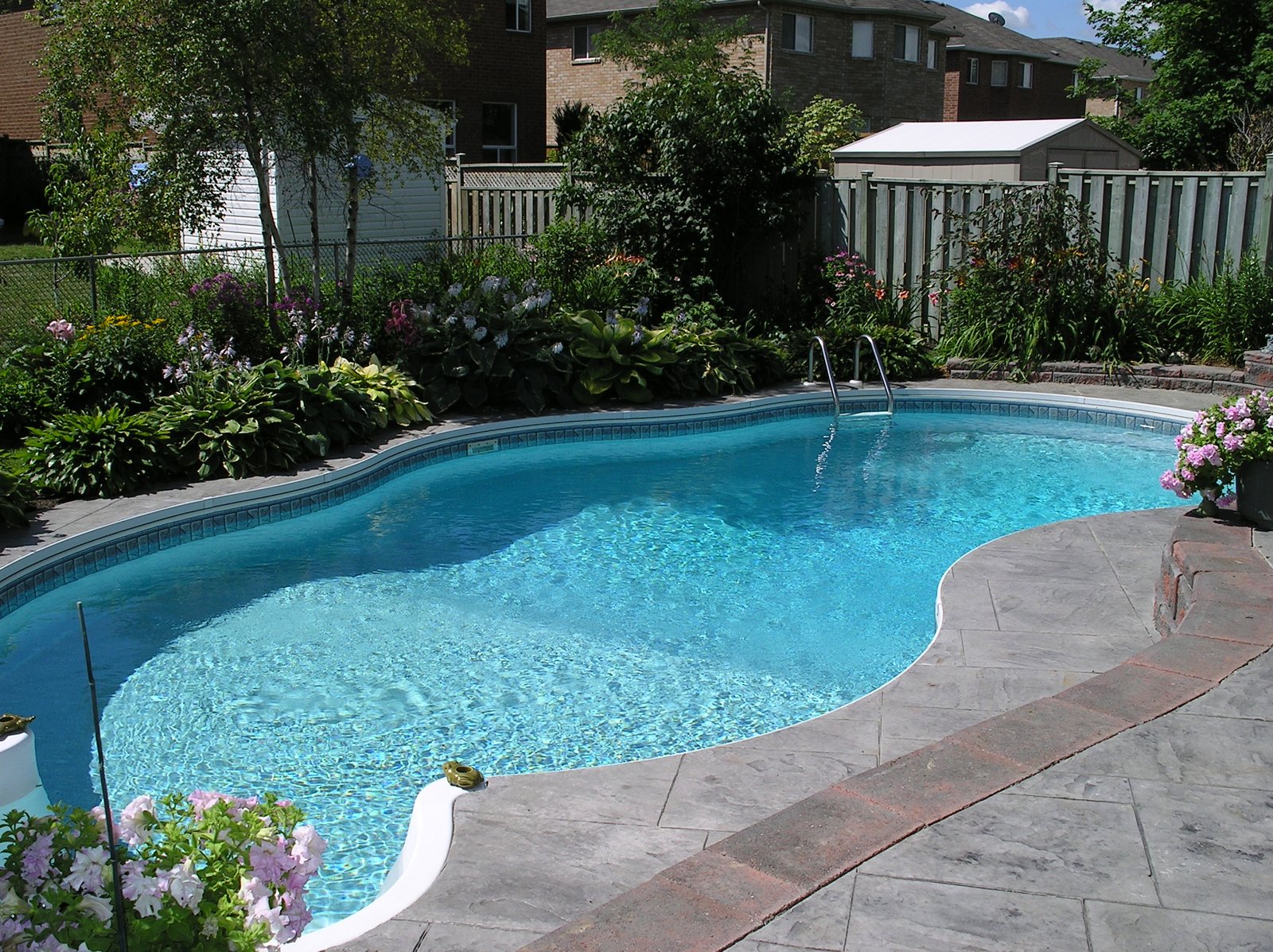
Most people start shopping for a pool in spring, right when the weather turns warm enough to picture themselves swimming in one. That’s also exactly when prices peak and contractors are hardest to book. By the time spring shoppers get a quote, they’re competing with every other homeowner in the region for the same crews, the same permit queues, and the same limited inventory. Fall works the opposite way. Demand drops, contractors have room on their calendars, and the pool you plan in September or October can be ready to swim in well before next summer’s rush even starts.
TL;DR: Fall and winter (roughly September through February) are consistently identified across pool-industry sources as the best window to plan and buy a pool. Contractors have lighter backlogs and more room to negotiate, permits tend to move faster with fewer competing projects, and off-season buyers report meaningful savings on pools and materials. HELOC rates are also near multi-year lows in 2026, making now a reasonable time to plan financing too. None of this comes from a single authoritative source, but the pattern is consistent across roughly a dozen independent pool companies and industry publications.
In this article:
- Why Fall and Winter Are the Real Off-Season for Pool Buyers
- How Much Can You Actually Save Buying Off-Season?
- Permits Move Faster When Fewer Projects Are in the Queue
- A Fall-Planned Pool Can Be Swim-Ready by Next Summer
- Financing Is Also Working in Your Favor Right Now
- What “Planning Now” Should Actually Include
- Frequently Asked Questions
- The Bottom Line
Why Fall and Winter Are the Real Off-Season for Pool Buyers
Demand for pools drops sharply once summer ends, and that shift in demand is what hands the leverage to buyers. Retailers still need to clear seasonal inventory, contractors still need work to fill their crews’ schedules, and both groups have far fewer customers competing for their attention than they did in June.
This isn’t a claim from a single source. It’s a pattern that shows up consistently across independent pool-industry publishers, including Angi, The Pool Factory, and Carlton Pools, along with several regional installers who publish similar guidance every fall. When roughly a dozen sources that compete with each other for business all point to the same window, that’s a stronger signal than any one of them alone.
Ground conditions help too. Autumn soil is typically firmer and easier to excavate than the soggy ground that follows spring rain in much of the country, and it’s more predictable than the frozen or snow-covered ground that shows up later in winter across colder climates. That makes fall, specifically, a better excavation window than either spring or deep winter in most regions, on top of the demand-driven pricing advantage.
How Much Can You Actually Save Buying Off-Season?
Reported savings cluster in the 10-20%-or-more range on pools and materials, not one single fixed number. Angi and multiple pool-company blogs independently point to double-digit percentage discounts during the fall and winter off-season, driven by the same retailer-inventory and contractor-availability dynamics covered above. Because these figures come from a mix of sources rather than one standardized study, treat any specific percentage as directional rather than a guaranteed number for your project.
Some retailers go further and cite dollar-figure savings on a complete installation, commonly landing somewhere in the low thousands. Those specific numbers vary by retailer, region, and project size, and no single verified study ties down a precise range, so it’s worth treating a claim like “save $3,000 to $6,000 installing in winter” as a plausible but unconfirmed figure rather than a number to budget against directly. Get a local, current quote before assuming any specific savings amount applies to your project.
One retailer’s claim deserves its own callout. American Sale advertises discounts approaching 40% on pool materials for the 2026 season. That’s a vendor’s own promotional figure, not an independently verified industry average, and it comes from a single seller with an obvious interest in the number. Use it as a sign that steep off-season promotions exist, not as a benchmark for what you should expect from every retailer.
The chart below illustrates the general shape of this seasonal pattern. No single dataset quantifies pricing pressure and contractor availability month by month across the industry, so this is a qualitative illustration built from the seasonal-timing patterns described by the sources above, not a chart of measured figures.
Permits Move Faster When Fewer Projects Are in the Queue
Municipal permitting offices process pool applications faster when fewer other projects are stacked up ahead of them. Spring is when most homeowners decide they want a pool for summer, which means permit offices in many areas see a surge of applications right as the weather warms. Submitting in fall, when application volume is lighter, gives your paperwork a shorter line to sit in.
Exact permit timelines vary enormously by municipality, and no single national dataset tracks pool-permit processing times across every region, so this section stays qualitative rather than attaching a specific number of days or weeks to the advantage. The underlying logic is the same demand-driven pattern covered in the section above: fewer competing projects generally means faster turnaround, whether that’s a contractor’s calendar or a permit office’s queue.
A Fall-Planned Pool Can Be Swim-Ready by Next Summer
Contracting in fall or winter positions a build to finish before the spring rush even gets started. A typical in-ground pool build, once a contract is signed and permits are approved, takes anywhere from a few weeks to several months depending on material and site conditions, according to the timelines discussed in our full pool installation cost breakdown. Starting that clock in the fall or winter gives a project real breathing room to finish before Memorial Day.
Spring shoppers face the opposite problem. They’re deciding on a pool at the exact moment every other buyer in the area is doing the same thing, which means they’re competing for the same limited pool of contractor crews. That competition is part of why prices rise and timelines stretch out in spring: it isn’t only about materials costing more, it’s about demand outpacing the number of crews available to do the work.
Financing Is Also Working in Your Favor Right Now
HELOC rates near multi-year lows make fall 2026 a reasonable time to plan pool financing, though the picture looks very different depending on the loan type. Home equity lines of credit are currently running around 7.17% to 7.44%, which multiple rate-forecast sources describe as near three-year lows, according to CBS News and MidFlorida.
Unsecured personal loans, the option many buyers use when they don’t want to tap home equity, tell a different story. Bankrate puts the average personal loan interest rate at 12.28% as of mid-2026, with borrowers who have excellent credit sometimes qualifying for rates as low as 6.2%. That’s a broad personal-loan average rather than a pool-specific figure, so treat it as directional. Even accounting for that caveat, the roughly 5-percentage-point spread between a HELOC and a typical unsecured loan is wide enough to matter for a five- or six-figure project.
| Financing Type | Typical Rate (2026) | Source |
|---|---|---|
| HELOC | ~7.17% – 7.44% | CBS News, MidFlorida |
| Unsecured personal loan (general average) | ~12.28% | Bankrate |
If home equity is available and the loan-to-value math works, a HELOC is worth comparing against an unsecured loan before signing anything, given the gap between the two rates right now. That comparison is worth having before, not after, a contractor conversation, since financing terms can change what pool type and size actually fit a given budget.
What “Planning Now” Should Actually Include
Planning isn’t just setting a budget. It’s deciding on a pool type and seeing it in your actual yard before contractor conversations start, so that by the time you’re getting quotes, you already know what you want rather than discovering it mid-negotiation.
Start with the numbers. Every pool type’s installed cost compared covers above-ground, semi-inground, vinyl, fiberglass, and concrete side by side, and a full in-ground pool cost breakdown goes deeper on the in-ground category specifically, including the deck, permit, and maintenance costs that often get left out of a first quote.
Once a realistic budget range is set, it helps to see a pool style in your own backyard before you commit rather than judging a design from a stock photo or a contractor’s sample gallery. Uploading a photo of your own yard to an AI visualizer can show a realistic preview of how a given pool type and shape would actually look on your property, which is a useful sanity check before you’re negotiating price and timeline with a contractor.
Once the type and rough design are settled, how to vet and hire a pool contractor walks through licensing checks, quote comparisons, and the questions worth asking before signing, so the fall planning window turns into an actual signed contract rather than an open-ended browsing exercise.
Frequently Asked Questions
What month is cheapest to install a pool? No single month carries a verified, universal answer, but fall and early winter, roughly September through December, are the months most consistently identified across pool-industry sources as the best window for pricing and contractor availability. Treat any specific “cheapest month” claim as directional rather than a fixed rule, since pricing depends on your region and the individual retailer or contractor you’re working with.
Can you build a pool in winter? It depends heavily on climate. In warm-weather regions, winter construction is common and often preferred, since ground conditions stay workable year-round and contractors have more open scheduling. In colder climates, frozen or waterlogged ground can make winter excavation impractical, so fall or early spring tends to be the more realistic building window even though fall remains the better time to plan and contract.
How much can you save buying a pool off-season? Reported savings cluster around 10-20% or more on pools and materials, based on patterns described by Angi and multiple pool-company sources. Some retailers advertise steeper discounts, including claims approaching 40% off, but those are vendor-specific promotional figures rather than independently verified industry averages, so use them as a sign that meaningful discounts exist rather than a guaranteed number for your project.
When should I start planning a pool for next summer? Now, if “now” is fall. That’s the core argument of this article: the planning work, choosing a pool type, setting a budget, and visualizing the design, is best done during the fall and winter window described above, so you’re ready to sign with a contractor while they still have the scheduling room and pricing flexibility that spring buyers don’t get.
The Bottom Line
The fall and winter buying window is real, and it’s corroborated across enough independent pool-industry sources to be more than a seasonal sales pitch. The savings involved are directional, not a guaranteed fixed number, and a couple of the more specific dollar figures floating around deserve a skeptical read before you build them into a budget. Financing conditions currently favor HELOCs over unsecured personal loans by a meaningful margin, which is worth factoring in before choosing how to pay for the project. Planning now means being ready to build during the window when contractors have the most room to work with you, rather than joining the spring rush everyone else is about to start.
If a pool for next summer is on the table, the practical next step is to settle on a type and style now, then bring that decision into contractor conversations during the season when they have the most flexibility to say yes. This guide was researched and written by noda, a software developer who built Backyard Pool AI after his own struggle to budget a backyard pool project, with every figure above cited to its original publisher rather than restated from memory. Read more about how this site approaches pool cost and planning coverage on our about page, or get in touch with questions or a correction. For the full library of cost, design, and maintenance guides, visit the Backyard Pool AI blog.