
Pool Contractors
Three pool quotes, three different formats, three different inclusions. Here's a concrete method for comparing them fairly — and the red flags to watch for.
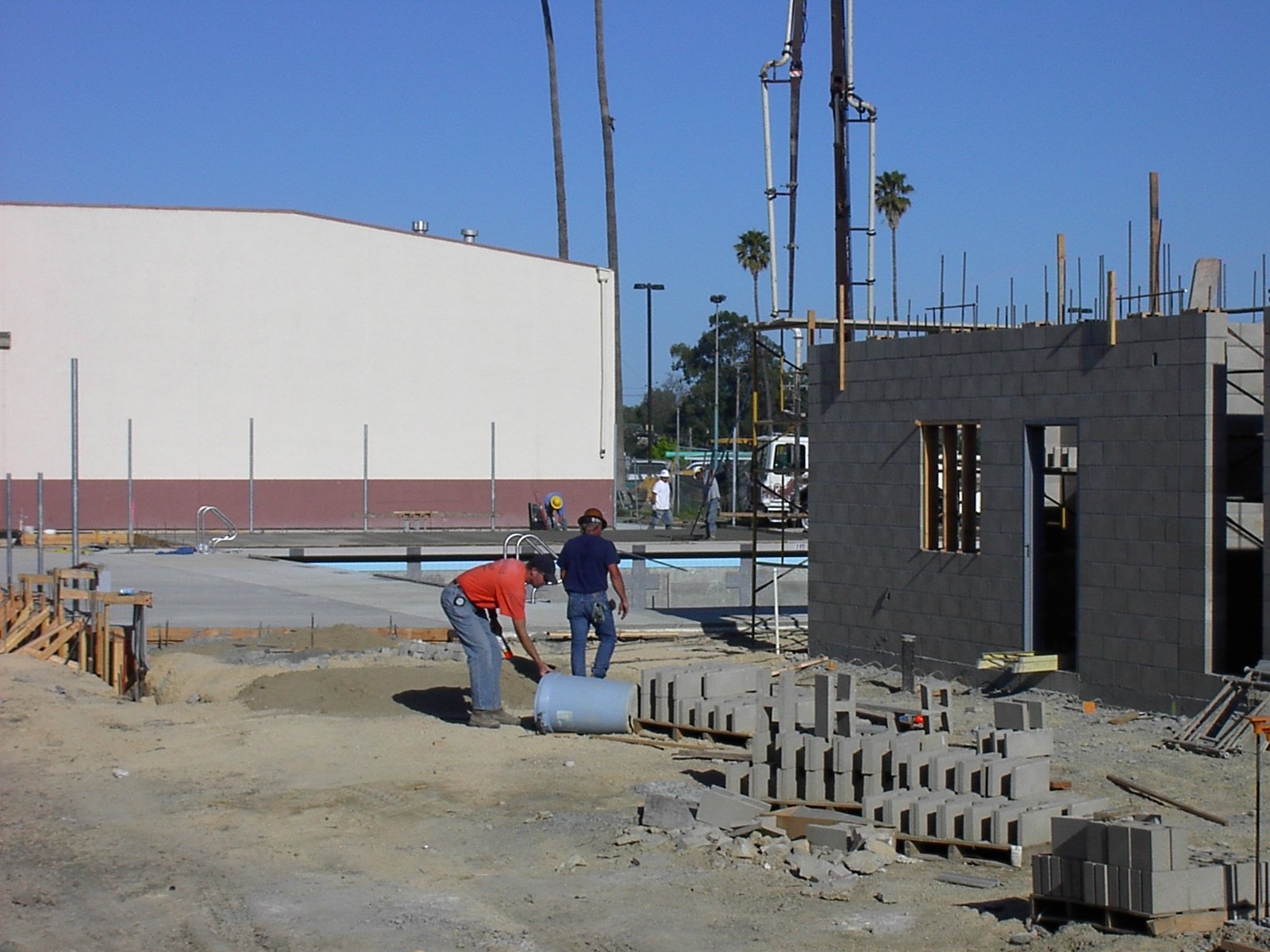
Three contractors walk through the same backyard, look at the same rough sketch, and come back with three quotes that don’t even use the same format, let alone the same price. One is a single number on letterhead. Another breaks out labor and materials. The third lists things you’ve never heard of, like coping and gunite. None of them make it obvious which one is actually the better deal.
That’s the real problem with pool quotes: a lower number often just means something got left off the page, not that the contractor found you a bargain. Skip a line item like fencing or permits in the estimate, and the number looks great right up until it resurfaces later as a change order.
This guide walks through a concrete method for comparing three pool contractor quotes side by side, so you’re judging the actual project each one is proposing instead of just the bottom line.
TL;DR: Get at least three written, itemized quotes before choosing a pool contractor. Line them up side by side and check whether each includes the same things — permits, fencing, startup chemicals, cleanup — since a lower number often just means something’s excluded, not that it’s a better deal. Ask whether the crew is in-house or subcontracted, and treat a demand for a large cash deposit upfront as a red flag.
In this article:
- Why You Need at Least 3 Quotes
- Get Everything in Writing, Itemized
- The Side-by-Side Comparison Method
- Questions to Ask Before You Sign Anything
- Red Flags That Should Make You Pause
- Bring a Design Reference to the Conversation
- Frequently Asked Questions
- The Bottom Line
Why You Need at Least 3 Quotes
Three quotes give you enough of a range to spot an outlier and figure out what’s actually standard for a project like yours. With only one quote, you have no way to know if the number is fair. With two, you can’t tell which one is the anomaly if they disagree. Three is the practical minimum for seeing a real pattern.
In-ground pool installation averages around $55,000, according to J Designs (2026), but that’s a blended national figure, not a prediction for your yard specifically. Individual quotes for a similar size and style of pool can vary by tens of thousands of dollars depending on site conditions, material choice, and, just as often, what the contractor did or didn’t fold into the number. Our guide to typical installed costs by pool type breaks that spread down further by material — other sources, including Angi, put the blended in-ground average closer to $65,900, a useful reminder that no single published figure should replace your own local quotes.
Getting three quotes also gives you real leverage in conversation. If two contractors mention a cost or inclusion the third one skipped entirely, that’s worth asking about directly instead of assuming the third quote is simply cheaper.
Get Everything in Writing, Itemized
A quote you can’t itemize isn’t a quote you can compare. Before you do anything else with a bid, insist on a written breakdown that separates the project into distinct line items rather than a single lump-sum number.
According to J Designs (2026), a standard pool quote typically covers a base package of excavation, basic plumbing, a standard interior finish, and coping (the cap or edge material around the pool’s perimeter) as the core build. Decking, fencing, and automation systems, such as app-controlled pumps and lighting, are usually priced and listed separately from that base package.
That distinction matters because it’s exactly where a “cheap” quote hides its savings. A contractor who quotes only the base package and lets you assume decking and fencing are included isn’t lying, technically, but the number you’re comparing against a competitor’s all-in quote isn’t measuring the same thing. Ask each contractor to confirm, in writing, whether decking, fencing, permits, startup chemicals, and site cleanup are already in the number in front of you or billed as separate line items.
The Side-by-Side Comparison Method
Put all three quotes into one table, line by line, so you can see exactly where they agree and where they diverge. A side-by-side format catches the “cheap bid that’s missing something” problem in a way that reading three separate PDFs one after another never will.
Here’s a template you can copy directly, filled in with illustrative example entries to show how the method works. Replace the sample entries with whatever is actually written in your own three quotes.
| Line Item | Contractor A | Contractor B | Contractor C |
|---|---|---|---|
| Base pool package | Included | Included | Included |
| Decking | Included, 400 sq ft stamped concrete | Not included, quoted separately | Included, 300 sq ft pavers |
| Fencing | Not included | Not mentioned in quote | Included, code-compliant mesh |
| Permits | Included, contractor pulls | Included, contractor pulls | Homeowner responsible |
| Startup chemicals | Included | Not mentioned | Included |
| Cleanup / restoration | Included, sod replacement | Minimal grading only | Not specified |
| Warranty | 10-year structural, 1-year equipment | Not specified in writing | 5-year structural, 1-year equipment |
| Estimated timeline | 10-12 weeks | 8 weeks | 14-16 weeks |
The figures above are illustrative examples meant to demonstrate the format, not real contractor pricing. Fill in your own quotes’ actual line items in place of the samples.
Laid out this way, a pattern usually jumps out fast. In the example above, Contractor B’s price looks the most attractive until you notice fencing and startup chemicals are missing from the quote entirely and the warranty isn’t specified in writing. That’s not necessarily a bad contractor, but it is a quote that isn’t actually comparable to the other two until those gaps get filled in with follow-up questions.
Do this exercise before you discuss price with anyone. It’s much easier to negotiate, or rule a bid out, once you know what each number is actually buying.
Questions to Ask Before You Sign Anything
A few pointed questions expose more about a contractor than the quote document itself ever will. Ask these before you sign, not after.
Start with the crew. Ask whether the people who’ll actually build your pool are employed directly by the company or subcontracted out for parts of the job. Edgewater Pools (2026) notes that this distinction affects both quality control and how reliably the project stays on schedule, since a company juggling several subcontractors has less direct control over any one crew’s pace or workmanship than a company that employs its own installers.
From there, ask about:
- Post-build support: Does the contractor walk you through startup chemicals and basic maintenance once the pool is finished, or does support stop the day the crew leaves?
- Warranty coverage: What exactly is covered, for how long, and does the warranty distinguish between the structure, the equipment, and the finish?
- Similar project experience: Has this contractor built a pool close to what you’re planning, in a yard with comparable conditions, and can they show you photos or a reference?
None of these questions are meant to catch a contractor lying. They’re meant to surface information a printed quote usually leaves out. For the fuller picture on vetting a contractor before you’re even at the quote stage, licensing, insurance, and how to check references, see our full guide to vetting and hiring a pool contractor.
Red Flags That Should Make You Pause
A price that’s meaningfully lower than the other two is more often a missing line item than a bargain. Before getting excited about the low bid, run it back through the itemization and comparison steps above and see what’s actually different about it.
A few specific patterns are worth treating as red flags on their own, regardless of price:
- A large cash deposit demanded upfront. Reputable contractors typically structure payment around project milestones: contract signing, excavation, plumbing rough-in, and finish, rather than a large lump sum before any work begins. A demand for most of the total cost in cash before the crew shows up is a pattern flagged consistently in consumer-protection guidance from sources like Angi and J Designs.
- Refusal to put the bid in writing. A verbal estimate or a text message with a number in it isn’t a quote you can hold anyone to. If a contractor won’t commit the scope and price to paper, that’s a reason to walk away, not a detail to negotiate around.
- Vague scope language. Phrases like “standard finish” or “typical decking,” without a specific material, brand, or square footage attached, leave room for the contractor to substitute something cheaper than what you pictured after the contract is signed.
None of these guarantee a bad outcome on their own. Together, or combined with a quote that’s an outlier on price, they’re worth a direct conversation before you sign anything.
Bring a Design Reference to the Conversation
Having a specific visual reference for what you want makes every contractor conversation faster and more accurate. Describing a pool in words, even carefully, leaves room for three different contractors to picture three different projects, which is part of why their quotes can look so different in the first place.
This is where it helps to settle on a design before you request a single quote. Uploading a photo of your own backyard to an AI visualizer and generating a render of the pool style, size, and decking you’re considering gives you something concrete to hand every contractor instead of a verbal description. See how to settle on a design before requesting quotes for a walkthrough of how that process works and what it can and can’t tell you.
The payoff shows up directly in the comparison exercise from earlier in this guide. When all three contractors are bidding on the same actual pool, in the same actual spot in your yard, their quotes become far easier to compare line by line. When each contractor is interpreting their own mental picture of “modern rectangular pool with a tanning ledge,” you’re not really comparing three quotes for one project. You’re comparing three quotes for three different projects that happen to share a description.
Frequently Asked Questions
How many pool quotes should I get? At least three. Two quotes only tell you they disagree, not which one is off. A third gives you enough of a pattern to spot an outlier and to notice when a lower number is missing something the other two include.
What should be included in a pool quote? An itemized breakdown, not a single number. According to J Designs (2026), the base package typically covers excavation, basic plumbing, a standard finish, and coping, with decking, fencing, and automation systems listed and priced separately. Ask for permits, startup chemicals, and site cleanup to be itemized too, since those are common places for a quote to go quiet.
What’s a red flag in a pool contractor bid? A demand for a large cash deposit before work begins, a refusal to put the scope and price in writing, and vague language like “standard finish” without a specific material or brand attached. Any one of these is worth a direct conversation before you sign; more than one together is worth walking away from.
The Bottom Line
Comparing pool contractor quotes isn’t about finding the lowest number. It’s about making sure the three numbers in front of you are actually pricing the same project. Get at least three written, itemized quotes, lay them out side by side using the template above, and ask the pointed questions that a quote document alone won’t answer. Watch for the specific red flags: a big upfront cash demand, an unwritten bid, or vague scope language, before you sign anything.
The easiest way to make three quotes genuinely comparable is to hand every contractor the same starting point. Settle on a design first, using a render of your own backyard rather than a verbal description, and you’ll spend less time in the quote stage sorting out what each contractor assumed and more time actually deciding who builds it.
This guide was researched and written by noda, a software developer who built Backyard Pool AI after his own struggle to budget a backyard pool project. Every claim here is cited to its original publisher rather than restated from memory, and this guide is updated as underlying industry guidance changes. Read more on our about page, or get in touch with questions or a correction. For the full library of cost, design, and hiring guides, visit the Backyard Pool AI blog.