
Pool Planning
9 recurring pool regrets homeowners report after building — deck space, maintenance cost, equipment failure, resale value — and how to avoid each one.
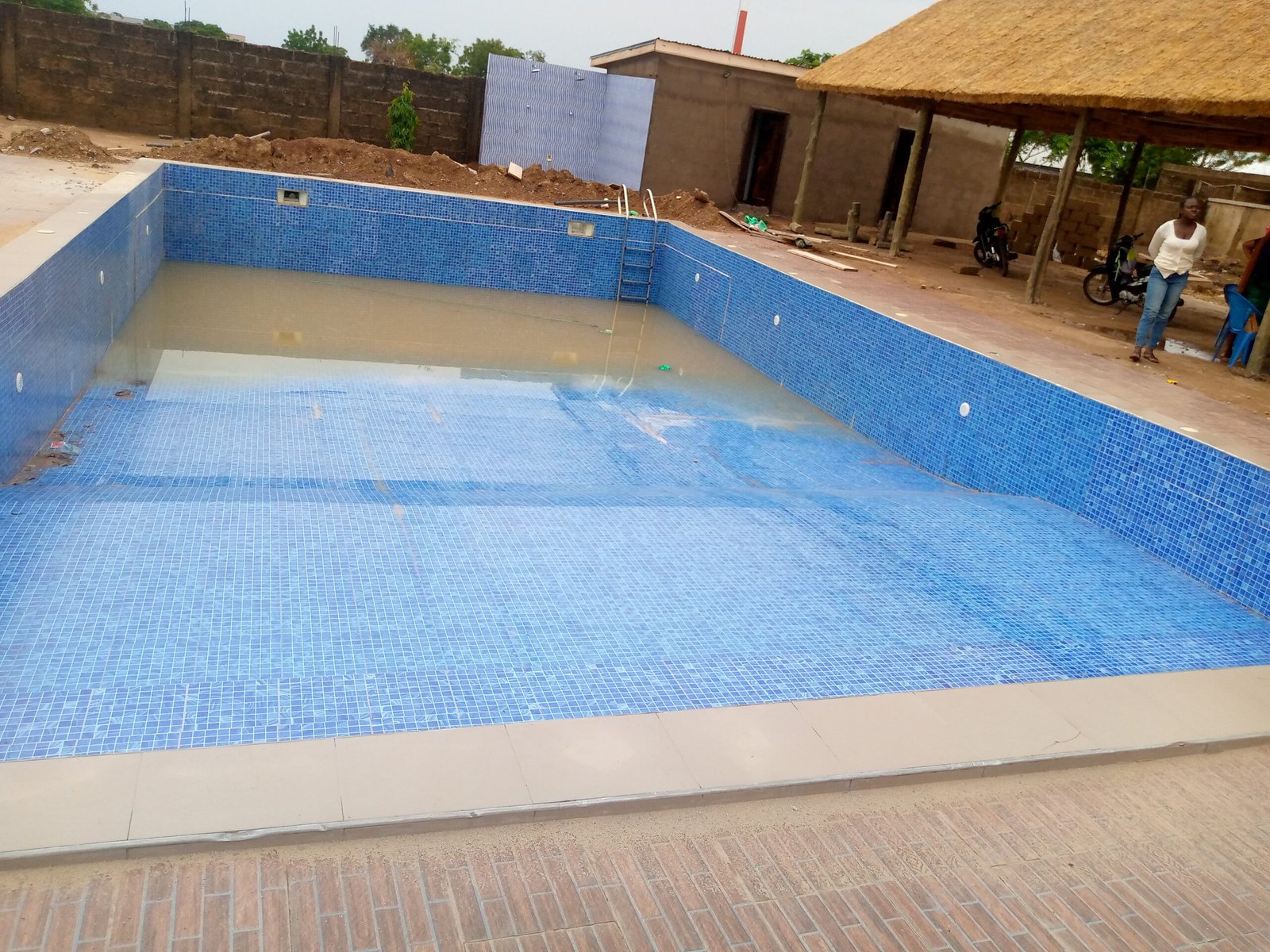
Pool regret is rarely about the water. Almost nobody looks back at a finished pool and wishes the water itself were different. What homeowners actually regret, based on the recurring patterns reported across home-improvement and real-estate coverage, is everything that surrounds the pool: the deck that turned out too narrow to walk around, the maintenance bill that showed up in month two, the pump that failed in year three, or the resale conversation that didn’t go the way they assumed it would. This guide walks through the 9 mistakes that show up most consistently in those accounts, and how to plan around each one before you sign a contract, not after.
TL;DR: Most pool regret doesn’t come from the pool itself, it comes from underestimating what surrounds it: deck space, ongoing maintenance cost, and how differently a backyard functions once water is the centerpiece. The 9 mistakes below are the ones that show up most consistently across homeowner and industry accounts, and nearly all of them are avoidable by testing a design against your actual yard and budget before committing.
In this article:
- The 9 Mistakes Homeowners Keep Making
- The One Thing That Prevents Most of These
- Frequently Asked Questions
- The Bottom Line
The 9 Mistakes Homeowners Keep Making
A quick honest note before the list: this isn’t a statistically measured survey with a clean percentage attached to each mistake. It’s a synthesis of recurring patterns reported by pool builders, home-improvement publishers, and real-estate outlets (Shasta Pools, Architectural Pool, Kiplinger, among others), plus the questions we hear most often from people planning a pool. Treat the list as “here’s what keeps going wrong for other people,” not “here’s a study of exactly how often it goes wrong.”
| Mistake | Why It Happens | Quick Fix |
|---|---|---|
| 1. Underestimating deck space | Buyers price the pool, not the yard around it | Reserve at least as much budget attention for decking as for the pool shell |
| 2. Maintenance as an afterthought | Quotes rarely show a full first-year cost | Budget an annual maintenance line before signing |
| 3. Sizing from a gallery photo | Inspiration photos hide the actual lot size | Measure your yard before picking a shape |
| 4. No equipment failure reserve | Buyers assume a new system won’t break | Set aside a repair fund from year one |
| 5. Skipping the resale check | Assuming a pool is a universal value-add | Check comparable local sales, not national averages |
| 6. Underestimating time commitment | A pool looks like a purchase, not a system | Walk through a full season of upkeep before buying |
| 7. Style before type | Comparing finishes before ruling out pool types | Confirm the pool type fits the yard first |
| 8. Late permits and fencing | Treated as paperwork, not budget | Call the building department before finalizing a design |
| 9. Never testing the design on the real property | Committing from a rendering or a neighbor’s yard | Preview the design against your own lot first |
1. Underestimating Deck and Yard-Flow Space
The single most cited regret is a pool that feels crowded the moment it’s finished, even when the pool itself is exactly what the buyer asked for. Shasta Pools points to this as one of the most common design mistakes homeowners make: focusing so heavily on the water feature that the deck, walkways, and general flow of the yard get squeezed into whatever space is left over.
The deck isn’t a decorative afterthought. It’s where people actually spend most of their pool time, setting up chairs, walking between the pool and the house, and giving kids room to move without crowding the water’s edge. A pool that looks generous on paper can feel cramped in person if the surrounding hardscape was an afterthought rather than part of the original layout. Our pool installation cost guide breaks out deck costs separately from the pool shell for exactly this reason: pricing them together as one number tends to hide how much of the real budget the deck actually needs.
2. Treating Maintenance as an Afterthought
Ongoing costs are the second recurring theme in pool-regret coverage. Architectural Pool and other pool-regret research point to the same pattern: buyers price the installation carefully, then discover after move-in that chemicals, electricity for pumps and heaters, water for refills, seasonal opening and closing service, and the occasional repair add up to a real annual number nobody walked them through before they signed.
None of these costs are individually shocking. Chemicals run a modest monthly amount. Electricity for a pump adds a noticeable line to a summer utility bill. Seasonal opening and closing service, if you hire it out, is its own annual expense in colder climates. It’s the sum of all of it, arriving every single year for as long as you own the pool, that catches first-time buyers off guard. Our pool installation cost guide includes a full annual maintenance breakdown so this number doesn’t have to be a surprise.
3. Sizing the Pool From a Gallery Photo Instead of the Actual Yard
Inspiration photos are useful for style, and they’re a poor way to judge scale. A rectangular pool that looks perfectly proportioned in someone else’s wide, flat backyard can crowd a narrower or more sloped lot, and a freeform design that reads as spacious in a photo can leave almost no usable deck once it’s actually staked out on your own property.
This mistake compounds the deck-space problem above: buyers pick a shape and size based on what looked good online, then discover during the design phase that the layout doesn’t actually fit their lot the way they pictured it. The fix is straightforward but easy to skip when a design feels exciting: measure your actual yard, mark out the footprint with stakes or tape before finalizing anything, and confirm setback and fence-line requirements with your contractor early. See our guide to pool shapes that fit small backyards for options sized to a tighter lot.
4. Not Planning for Equipment Failure
A new pool comes with new equipment, and new equipment still fails sometimes. Pump motors, heaters, and liners are mechanical and chemical systems operating outdoors under real wear, and Architectural Pool flags equipment failure as a recurring source of unplanned expense that catches new owners off guard. A pump motor issue, a heater malfunction, or a liner problem can turn what should have been a routine season into an expensive one.
None of this means equipment is unreliable. It means a pool budget that assumes zero repairs for the life of the equipment is an optimistic budget, not a realistic one. Building a modest annual repair reserve into your ownership costs, the same way you would for a furnace or a roof, removes the shock when something eventually needs attention.
5. Skipping the Resale-Value Reality Check for the Region
A pool is often assumed to be a straightforward investment that pays for itself at resale. That assumption doesn’t hold everywhere. Kiplinger notes that a pool’s effect on home value is regionally dependent: in warm-climate markets where pools are common and expected, a well-built pool can genuinely support a home’s value, while in colder or more seasonal markets, the same pool can add little to resale value, and in some cases can actively narrow the buyer pool by scaring off families worried about maintenance and safety.
Before treating a pool as an investment rather than a lifestyle purchase, look at comparable sales in your own neighborhood rather than a national average. A local real estate agent who has sold homes with pools in your specific market can usually tell you in one conversation whether a pool is a value-add locally or closer to a wash.
6. Underestimating the Time Commitment
A pool reads, at the point of purchase, like a single decision: pick a design, sign a contract, wait for installation. Owning one is a different experience entirely. Once the water goes in, a pool becomes a system that needs regular attention for as long as you own it: testing and balancing chemicals, skimming debris, running the filter on a schedule, and handling seasonal opening and closing if you’re in a climate with a true off-season.
None of these tasks is difficult on its own. Together, on a recurring weekly basis for months at a time, they represent a real time commitment that a lot of first-time buyers don’t fully picture until they’re living with it. If your household doesn’t have the bandwidth for that weekly rhythm, professional maintenance service is a legitimate option, but it should be priced into the decision up front rather than added as a surprise line item later.
7. Choosing Style Before Confirming Type Fits the Yard
It’s easy to fall in love with a finish, a tanning ledge, or a vanishing edge before confirming that the underlying pool type even fits your yard and budget. Style comparisons are the fun part of planning a pool, which is exactly why they tend to happen first, even though they should happen last.
The more useful order is the reverse: confirm whether an above-ground, semi-inground, or in-ground pool actually fits your lot size, budget, and soil conditions, and only then compare finishes and features within that category. A homeowner set on a concrete in-ground pool with a vanishing edge may discover their yard and budget realistically support a semi-inground design instead, and that’s a much easier conversation to have early than after a design is already drawn up. Our guide to comparing pool types by size and budget walks through that comparison in more detail.
8. Ignoring Permit and Fencing Requirements Until Late
Permits and safety fencing are not optional upgrades. In most municipalities, a permit is required before excavation can begin, and pool safety fencing is a legal requirement in many jurisdictions, separate from any decorative fencing a homeowner might choose for looks. Buyers who treat these as late-stage paperwork rather than budgeted line items are often the ones surprised by a delay or an unplanned cost right before the project was supposed to finish.
The fix takes one phone call: contact your local building department before finalizing a design, confirm what permits and fencing standards apply to your property, and get those costs into the budget from day one. For a full walkthrough of vetting contractors and understanding what a bid should include, our guide to hiring a swimming pool contractor covers permit and fencing questions worth asking before you sign anything.
9. Not Testing the Design Against the Actual Property Before Committing
This is the mistake that ties every other one on this list together, and it’s the single most preventable. Homeowners routinely commit to a pool design based on a rendering, a showroom sample, or a neighbor’s finished yard, without ever seeing how that specific shape, size, and deck layout would actually look and function on their own property. By the time the real limitations show up, whether that’s cramped deck space, a shape that doesn’t suit the lot, or a style that outpaces the budget, the design is already locked in or expensive to change.
Seeing a design against your actual yard before committing catches most of these problems at the one point where they’re still cheap and easy to fix: before a contract is signed. Previewing a pool design on your own yard before signing anything is the single most effective way to do this.
The One Thing That Prevents Most of These
Nearly all 9 mistakes above trace back to the same root cause: deciding on a design without first testing it against the actual yard, the real budget, and the true maintenance commitment. Mistakes 1, 3, and 7 are all versions of “the design didn’t match the property.” Mistakes 2, 4, and 6 are all versions of “the ongoing cost wasn’t fully priced in.” Mistake 5 is a market-fit question that a quick local check resolves early. Mistake 8 is a compliance question that one phone call resolves. Mistake 9 is what happens when none of the above gets checked before signing.
The practical fix is to front-load the verification that most buyers do too late. Before committing to a design, upload a photo of your own yard to an AI backyard pool visualizer to see a realistic preview of how a given shape, size, and deck layout would actually sit on your property, rather than judging from a stock photo or a showroom render. Pair that with a realistic look at the full budget, not just the installation quote, using a resource like our pool installation cost guide, which prices decking, permits, and first-year maintenance alongside the pool itself. Between those two checks, you catch most of what shows up on this list while a design change still costs nothing.
Frequently Asked Questions
What do people regret most about getting a pool? Across homeowner and industry accounts, the two most consistently reported regrets are underestimating how much deck and yard space a pool actually needs, and underestimating the ongoing cost of maintaining it. Both are planning problems, not problems with the pool itself, and both are avoidable by budgeting realistically before construction starts.
Does a pool always add home value? No. Whether a pool adds resale value depends heavily on your regional market. Kiplinger notes that pools tend to support home value in warm-climate markets where they’re common and expected, while in colder or more seasonal regions a pool can add little to resale value and, in some cases, narrow your pool of interested buyers. Check comparable local sales before assuming a pool is an investment rather than a lifestyle choice.
How can I avoid pool regret? Test the design against your actual yard and your full budget before you commit, not after. That means measuring your real yard instead of judging scale from a photo, previewing the design on your own property, pricing the deck and permits alongside the pool itself, and budgeting a realistic annual maintenance number rather than the installation quote alone.
The Bottom Line
Most pool regret is preventable, and preventing it doesn’t mean avoiding a pool altogether. It means slowing down at the one point in the process where mistakes are still cheap to fix: before the design is locked in and the contract is signed. Deck space, ongoing maintenance, equipment reserves, resale expectations, permits, and time commitment are all knowable in advance. The homeowners who skip that step are the ones who end up on lists like this one; the ones who don’t are usually just enjoying a pool.
If you’re planning a pool for next season, start with the two checks that catch the most on this list: see how a real design looks on your own yard, and price out the full first-year cost, not just the installation quote, before you commit to anything.
This guide was written by noda, a software developer who built Backyard Pool AI after his own struggle to budget a backyard pool project. Read more about how this site approaches pool cost and design coverage on our about page, or get in touch with questions or a correction. For the full library of cost, design, and maintenance guides, visit the Backyard Pool AI blog.