
Pool Design
Use AI pool design to preview your backyard before committing. A decision-stage guide to pool styles, AI visualization, and what to check before you dig.
AI pool design tools can now show you a photorealistic render of a pool in your own backyard from a single uploaded photo, usually in under a minute. That’s genuinely useful. It solves a real problem: most homeowners pick a pool style from a photo gallery, then find out mid-project that it doesn’t actually fit their yard. This guide starts where that problem starts: which pool type fits your space. From there, it covers how to use AI visualization to test that decision before you commit, and where an AI render stops being useful.
TL;DR: AI pool design tools let you upload a backyard photo and see a realistic pool render in under a minute, which is genuinely useful for deciding between pool types and styles before requesting quotes. It’s not a substitute for a licensed contractor’s engineering plans — treat the render as a decision and communication tool, not a permit-ready document.
How AI Pool Design Works (In Brief)
You upload a photo of your backyard. The tool analyzes the space and generates a photorealistic pool render placed into that exact photo, typically in under 60 seconds (ReimagineHome.ai, 2026).
That’s the short version on purpose. We already published a full breakdown of the process — what happens at each stage, how the AI reads your space, and what makes a good source photo. Read How AI Pool Design Works for that level of detail. This guide picks up from there: which pool type should you actually be testing, and how much should you trust what you see?
Which Pool Type Actually Fits Your Yard?
Yard size and shape rule out most pool types before style ever enters the conversation. Get this decision right first, then use AI visualization to compare finalists within the type that fits.
- Above-ground: the right call for small yards or tighter budgets. Steel-frame and resin kits both work; resin resists corrosion better over time.
- Semi-inground: a middle option. It looks closer to a true in-ground pool once landscaped, at a fraction of the excavation cost.
- In-ground (vinyl, fiberglass, or concrete): needs the most space and budget, but offers the most design freedom — including custom shapes that above-ground and semi-inground options can’t match.
We’re also publishing a full cost breakdown across all five pool types, plus a dedicated above-ground vs. semi-inground vs. in-ground comparison, later this month — check the Backyard Pool AI blog for both once they’re live.
Here’s a quick way to narrow it down before you open any visualizer. Measure your usable yard space first. Set a rough budget range using the cost guide above. Then only compare styles within the type that actually fits both numbers. Skipping straight to style comparisons is the single most common reason homeowners fall in love with a design their yard or budget can’t support.
Design Styles Worth Visualizing Before You Commit
Once you know your pool type, style is where an AI render earns its keep — it’s much easier to compare four styles on your own photo than to imagine each one from a gallery of someone else’s yard.
Four style categories cover most of what homeowners actually compare:
- Geometric/minimalist: clean lines, rectangular or L-shaped, reads as modern and low-maintenance.
- Freeform/natural: curved edges meant to look like a natural pool, pairs well with heavier landscaping.
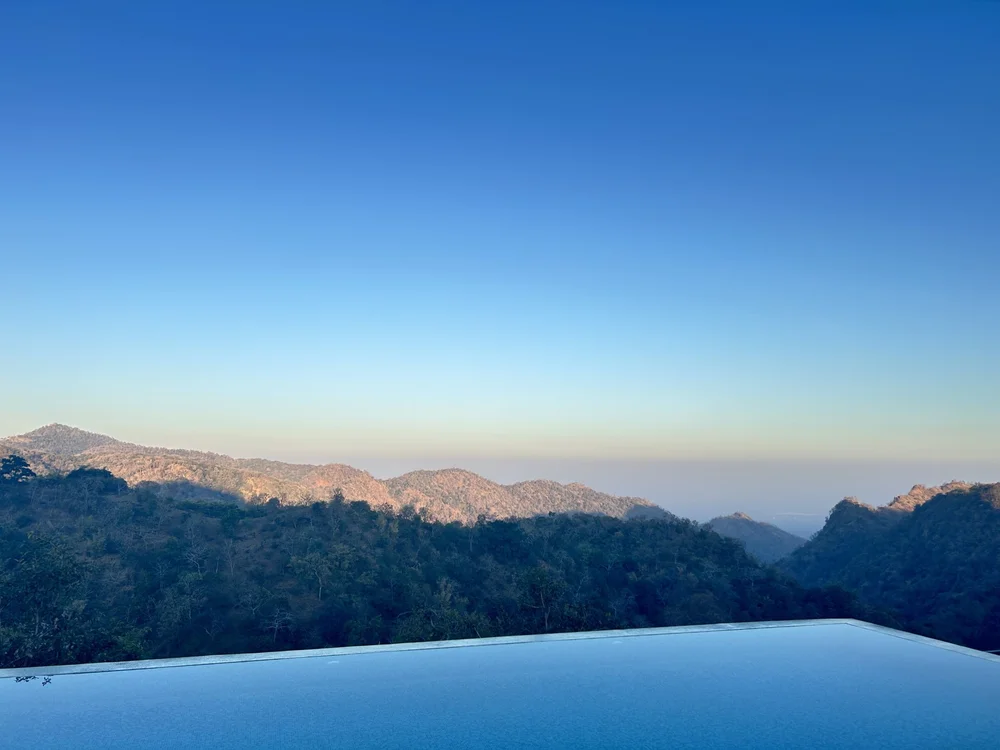
- Infinity-edge: a visual water-flow edge (sometimes called a vanishing edge), needs a sloped or elevated site to work.
- Plunge/cocktail pools: small, deep, built for cooling off rather than swimming laps — a strong fit for tight yards.
Browse our modern pool design gallery for the full style roundup, or see compact-yard pool shapes if space is your main constraint. We’ll also publish dedicated plunge-vs-full-size and infinity-edge/freeform comparisons later this month.
Pricing in this space varies by model, not just by tool. Pure AI subscription tools range from about $14/month (ReimagineHome.ai) to $149/month at the top tier (OutdoorBrite). Human-hybrid services like Yardzen work differently: a one-time project fee of $295-$3,495 with a 2-3 week turnaround, since a real designer is involved rather than pure automation (Yardcast’s Yardzen alternatives roundup).
| Tool Category | Pricing Model | Typical Range (2026) | Turnaround |
|---|---|---|---|
| Pure AI subscription (e.g., ReimagineHome.ai) | Monthly subscription | From $14/month | Under a minute per render |
| Pure AI subscription, top tier (e.g., OutdoorBrite) | Monthly subscription | Up to $149/month | Under a minute per render |
| Human-hybrid design service (e.g., Yardzen) | One-time project fee | $295-$3,495 | 2-3 weeks |
Why Visualize Before You Dig
Design changes made on paper — or on a screen — cost far less than the same changes requested after construction starts. Change orders made early in a pool project are less expensive and less disruptive than the identical change requested once a specific phase is already underway (J Designs, 2026).
That’s the practical case for AI visualization. It’s not about the render being pretty. It’s about catching a mismatch between what you imagined and what actually fits your yard before a crew shows up with equipment.
A render can catch a few specific mismatches early. A freeform shape might look fine in a gallery photo but crowd an existing patio in your actual yard. An infinity edge might get planned for a yard that isn’t actually sloped enough to support one. Or a pool gets sized without leaving room for the safety fencing most jurisdictions require around a residential pool — typically a self-closing, self-latching barrier at least 4 feet high, per CPSC guidelines. Any of these is a cheap fix on a screen and an expensive one mid-build.
What Makes a Good AI Pool Design Tool
Not every AI visualizer is built the same way, and the differences matter more than most marketing pages let on. Whichever tool you try — ours or a competitor’s — four things are worth checking before you trust the result:
- Does it use your actual photo, or a generic template? A tool that places a stock pool image into a stock yard isn’t showing you anything about your property. Insist on a render built from your own uploaded photo.
- Can you compare more than one pool type on the same photo? If a tool only shows you one style per upload, comparing options gets expensive in time even if the tool itself is free.
- Does it account for existing structures? A useful render respects your fence lines, patio, and mature trees rather than erasing them to make room.
- Is pricing transparent before you commit? Several tools in this space gate the full-resolution result behind a paywall after generating a preview — check what a free tier actually shows you before assuming it’s usable.
What AI Pool Visualization Can (and Can’t) Tell You
An AI render is a decision and communication tool. It is not an engineering document.
Renders are genuinely useful for comparing pool types, testing a style against your actual yard, and giving a contractor a clear visual starting point. They fall short on precision: AI-generated renders commonly show geometry and proportion inaccuracies — elements that don’t quite align, scale that doesn’t match the real site (Pelicad, 2026). Exact depths, structural details, and permit-ready plans still have to come from a licensed pool professional, not from an AI-generated image.
Use the render to decide and to communicate. Don’t use it in place of an actual quote or an engineering drawing.
How to Get a Useful Render of Your Own Backyard
Photo quality determines render quality more than which tool you pick. We cover the full checklist — lighting, angle, what to include in the frame — in our photo-quality guide for AI pool renders. Start there before you upload anything.
Talking to a Contractor With Your AI Render
Bring the render to a contractor conversation as a starting point, not a proposal. It shows what you’re picturing far better than words alone, which shortens the back-and-forth of early meetings. It doesn’t replace the quoting process, and it isn’t a substitute for vetting the contractor themselves.
For that part, see our guide to hiring a swimming pool contractor — licensing, insurance, red flags, and what should already be in a written quote.
Frequently Asked Questions
How does AI pool design work? You upload a photo of your backyard, and the tool generates a photorealistic pool render placed into that exact space, typically in under a minute (ReimagineHome.ai, 2026). See our full process breakdown for the stage-by-stage detail.
Is AI pool design accurate? Accurate enough to compare styles and pool types, not accurate enough to replace an engineering plan. Renders can show geometry and scale inaccuracies (Pelicad, 2026), and permit-ready specs still require a licensed professional regardless of how realistic the render looks.
How much does AI pool design cost? Free tiers exist. Paid subscription tools range from about $14/month (ReimagineHome.ai) to $149/month at the top tier (OutdoorBrite). Human-hybrid design services run $295-$3,495 as a one-time project fee (Yardcast, 2026).
Can I use an AI render instead of hiring a designer? No. A render is a decision and communication tool, not a substitute for licensed engineering, permitting, or a contractor’s own quoting process. Use it to figure out what you want, then bring it to a real quote conversation.
The Bottom Line
Start with pool type, not style — your yard’s size rules out most options before aesthetics matter. Use AI visualization to test finalists on your own backyard photo before you commit to any of them. Treat the render as a decision and communication tool, never as a substitute for a licensed contractor’s engineering plans or an actual quote.
This guide was researched and written by noda, part of the Backyard Pool AI editorial team. Every claim here is cited to its original publisher, and this guide is updated when the underlying pricing or product landscape changes materially. Read more on our about page, or get in touch with questions or a correction.
Ready to see it for yourself? Upload a photo of your own backyard and compare pool types and styles before you request a single quote.